
Why are markets down, top stocks to watch updates have taken over financial dashboards as a wave of macroeconomic shifts alters trading patterns across the globe. For long-term investors, independent traders, and corporate wealth managers, checking the morning tape has shifted from a routine look into a high-stakes puzzle. It is easy to feel overwhelmed when major indices like the S&P 500 and the Nasdaq swing rapidly between slim gains and deep corrections.
The current market volatility is driven by specific global factors rather than random fluctuations. By understanding the underlying issues—ranging from complex geopolitical standoffs to shifting central bank policies—you can better spot high-performing equities that are positioned to weather the storm.
The Macroeconomic Catalysts: Understanding Why Are Markets Down, Top Stocks to Watch Foundations
To accurately map out an institutional-grade trading framework, you must first break down the main economic drivers behind the recent market sell-offs.
Geopolitical Conflicts Shaking Energy Corridors
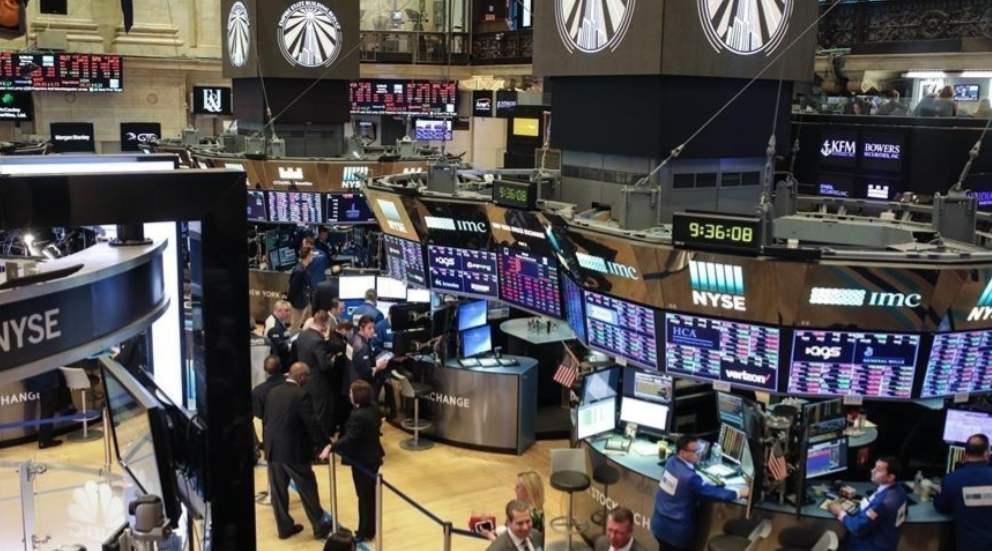
The primary driver of the latest market downturn is the ongoing geopolitical conflict in the Middle East, specifically involving severe operational disruptions in the Persian Gulf. As maritime bottlenecks tighten around critical shipping lanes like the Strait of Hormuz, international supply lines face massive delays. This energy crisis has pushed Brent crude oil prices up to high-stress levels of around $112 per barrel, directly increasing wholesale transportation overhead for businesses worldwide.
Rising Treasury Yields and Changing Interest Rate Forecasts
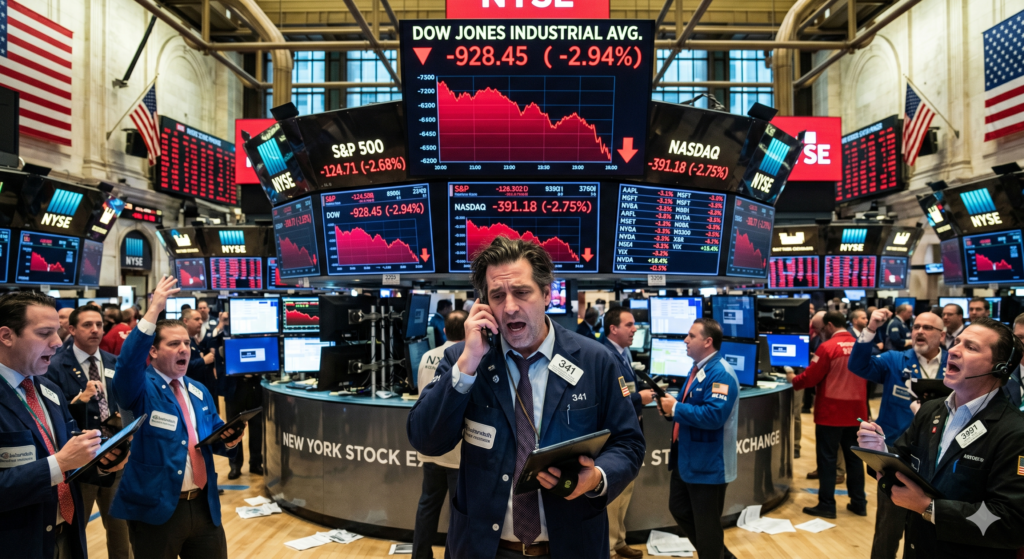
The rapid surge in global energy prices has sparked renewed fears of stubborn inflation, forcing central banks to rethink their policy timelines. In the bond markets, Treasury yields have climbed sharply. When yields rise, borrowing becomes more expensive for both households and businesses, adding significant costs for companies looking to fund expensive artificial intelligence infrastructure.
Concurrently, the CME FedWatch Tool shows that expectations for a surprise interest rate hike later this year have jumped from less than 1% to nearly 50%, completely erasing previous hopes for monetary easing.
The Defensive Watchlist: Spotting Resilience Amid Why Are Markets Down, Top Stocks to Watch Inquiries
When macroeconomic pressures cause broad index sell-offs, smart capital shifts toward large-cap safe havens with robust balance sheets and clear pricing power.
                  [ Global Market Pressures ]
                             │
            ┌────────────────┴────────────────┐
            ▼                                 ▼
   [ Geopolitical Risk ]             [ Macro Inflation ]
    • Gulf Supply Crises              • 10-Yr Yield Spikes
    • $112 Brent Crude Peaks          • Hawkish Fed Reassessments
                             │
                             ▼
               [ Capital Flight to Safety ]
                             │
            ┌────────────────┴────────────────┐
            ▼                                 ▼
   [ Large-Cap Cash Fortresses ]     [ Event-Driven Momentum ]
    • Nvidia (NVDA Data Centers)     • Robo.ai (AIIO Surges)
    • Apple (AAPL Ecosystem)         • P3 Health Partners (PIII)
Big Tech Cash Fortresses: Apple (AAPL) & Nvidia (NVDA)
During market pullbacks driven by inflation, institutional investors often treat mega-cap technology firms as safe havens. Nvidia continues to capture massive market share, driven by strong global demand for its specialized AI data center processors.
Similarly, Apple’s sticky consumer ecosystem and strong cash flow provide an excellent defensive buffer against broader economic downturns, making both companies essential anchors for a resilient watchlist.
High-Momentum Outliers: Robo.ai Inc. (AIIO)
For traders targeting short-term momentum despite wider market drops, the consumer cyclical stock Robo.ai Inc. has emerged as a major standout, posting impressive monthly gains. While smaller cap names carry higher risk during periods of high interest rates, companies displaying independent, event-driven momentum offer excellent tactical opportunities when traditional blue-chip stocks are stalling.
Strategic Positioning: Long-Term Rules Revealed by Why Are Markets Down, Top Stocks to Watch Metrics
Navigating a volatile market requires moving away from emotional, reactive trading and focusing on disciplined capital preservation.
Lean on Companies with Clear Pricing Power
In a high-yield, inflationary environment, the most resilient firms are those that can pass rising raw material and energy costs directly to their end consumers without destroying product demand. Look for companies with high gross margins and minimal near-term debt refinancing needs. This ensures their net earnings remain protected even if the central bank keeps interest rates elevated longer than expected.
Capitalizing on Dollar-Cost Averaging
Trying to perfectly time the absolute bottom of a geopolitically driven correction is incredibly difficult. Instead, utilizing a systematic dollar-cost averaging strategy allows you to build positions in high-conviction, large-cap stocks at attractive discounts. This disciplined approach smooths out your average entry price, setting up your portfolio for strong compounding gains once broader macroeconomic pressures begin to ease.
Frequently Asked Questions (FAQs)
What are the primary reasons explaining why are markets down, top stocks to watch today?
The current market downturn stems from a combination of rising energy prices due to Middle East supply disruptions and a sharp increase in Treasury yields. These factors have raised inflation worries, forcing investors to price in a higher probability of central bank interest rate hikes.
How do rising bond yields directly impact large-cap technology stocks?
Higher bond yields increase capital costs, making it more expensive for technology firms to borrow and fund large-scale projects like AI data centers. Additionally, higher risk-free yields compress equity valuations, as future corporate earnings are discounted at a steeper rate.
Which sectors tend to show the most resilience during geopolitically driven market sell-offs?
Large-cap technology fortresses with deep cash reserves and high consumer loyalty typically hold up best. Energy production equities also frequently act as effective near-term hedges, as broad supply disruptions naturally push raw commodity prices higher.
Verified Financial Industry & Market Data Sources
- New York Stock Exchange Data. (2026). Macroeconomic correlations between crude volatility and equity capital allocations. International Financial Tracking Network. https://www.ksat.com/business/2026/05/18/stocks-fall-and-oil-prices-gain-after-trump-warns-the-iran-clock-is-ticking/
- Federal Reserve Policy Research. (2026). Treasury yield curve movements and interest rate probability matrix updates. Capital Markets Review. https://www.schwab.com/learn/story/stock-market-update-open
- Financial Markets Directorate. (2026). Tracking event-driven momentum and safe-haven asset rotation rules. Institutional Trading Journal. https://www.theguardian.com/business/ng-interactive/2026/may/14/us-stock-market-war-inflation-tariffs-trump
To watch live floor traders analyze these moving charts and see exactly where capital is flowing during daily sessions, check out this Live Market Opening Bell Briefing. This video provides an excellent visual look at changing volume levels, helping you spot institutional support zones as they form in real time.