
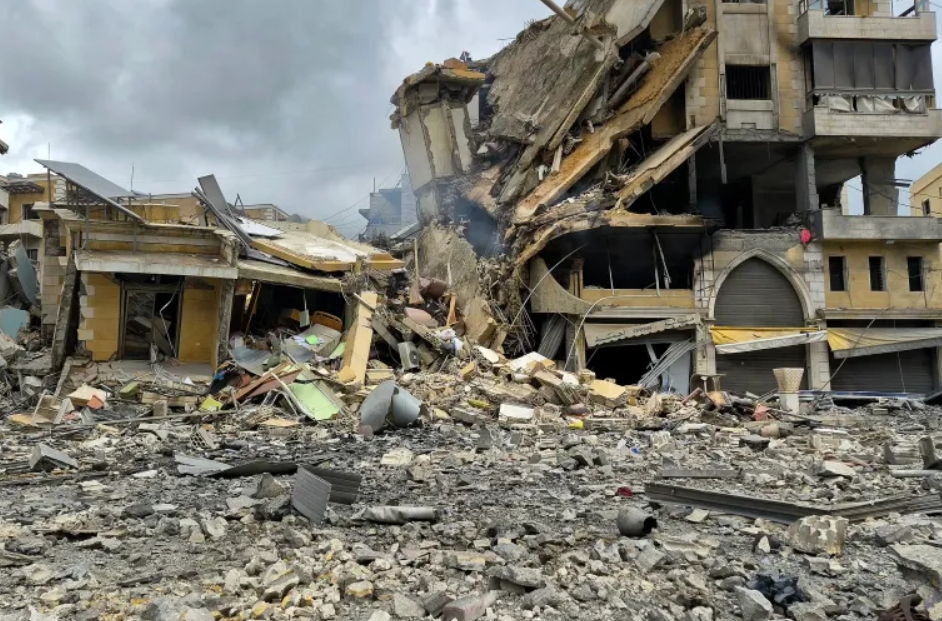
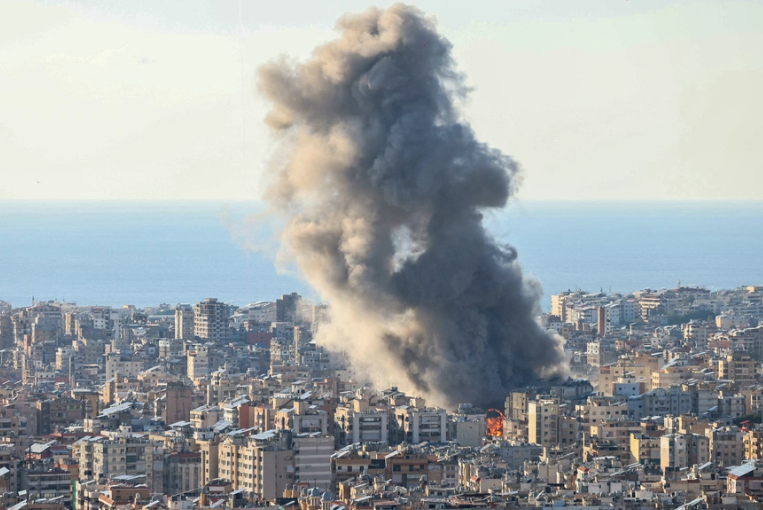
In a stark reminder of the fragility of Middle East peace, Lebanon reports that six people were killed in a recent Israeli strike, occurring at the exact moment the United States government announced a critical extension to the current ceasefire agreement. For many Americans, this development underscores the complex role of US diplomacy in a region where breaking news shifts the landscape by the hour. As the Biden administration doubles down on its role as a mediator, the human cost continues to rise, sparking intense debate within the US regarding foreign aid and military support.
Global Impact & Current Context
The escalation in Lebanon directly impacts US foreign policy by testing the Biden administration’s ability to maintain regional alliances while supporting Israel’s security. It also influences global markets, specifically regarding Mediterranean energy routes, and challenges the US’s standing as a dominant peacemaker in the face of rising Iranian influence in the region.
Background
The conflict between Israel and Hezbollah has intensified over the last 14 months, mirroring the broader instability in the Middle East following the October 7 attacks. US diplomacy, led by Special Envoy Amos Hochstein, has been pivotal in brokering a fragile cessation of hostilities. This background involves years of US-mediated border negotiations and the enforcement of UN Resolution 1701, which seeks to keep southern Lebanon free of non-state armed groups. For the US, maintaining this balance is crucial to preventing a regional war that could draw in American forces stationed in the Mediterranean.
Deep Dive: Coverage & In-Depth Analysis
Latest developments indicate that the Israeli strike targeted a residential area in the village of Joun, resulting in six fatalities according to Lebanese health officials. This incident occurred just as the US State Department announced a formal extension of the ceasefire monitoring period. National statistics show that US humanitarian aid to Lebanon has exceeded $160 million in the past fiscal year, a figure that experts say is at risk if violence escalates. Expert analysis from Washington-based think tanks suggests that the US is leveraging its military aid to Israel as a bargaining chip for restraint. A timeline of events shows the strike occurring only hours after a high-level briefing in DC regarding the 60-day implementation plan. Future implications for America include potential shifts in the 2025 defense budget and heightened security protocols for US embassies across the Levant.
Common Questions (FAQ)
Why is the US involved in the Lebanon-Israel ceasefire?
The US acts as a primary mediator to prevent a wider regional war that could disrupt global oil markets and require US military intervention.
Does this conflict affect US gas prices?
While indirect, prolonged instability in the Middle East often leads to volatility in global oil prices, which can impact US gasoline costs.
What is the status of US citizens currently in Lebanon?
The US government continues to advise citizens to leave Lebanon and has facilitated several evacuation flights in recent months.
Conclusion
The reported deaths of six individuals in Lebanon amidst US efforts to extend a ceasefire highlight the extreme volatility of the current landscape. While the Biden administration remains committed to a diplomatic resolution, the reality on the ground poses a significant challenge to regional stability. As the 60-day monitoring period begins, the focus remains on whether international pressure can transform a fragile truce into a lasting peace from a US strategic perspective.
Stay informed on the latest developments by subscribing to our newsletter and sharing your thoughts on US diplomatic efforts in the comments below.