
As we navigate the complexities of 2024, the phrase ‘China vs USA’ has become more than just a headline; it represents a fundamental shift in the global order that hits home for every American. From the smartphones in our pockets to the security of our power grids, the intensifying competition between the world’s two largest economies is reshaping the American landscape. This isn’t just about high-level diplomacy in Washington or Beijing; it’s about the future of American jobs, the cost of living, and the preservation of democratic values on a global stage. As breaking news continues to pour in regarding trade restrictions and military movements, understanding the nuances of this rivalry is essential for any citizen concerned about the current affairs and the long-term prosperity of the United States.
Global Impact & Current Context
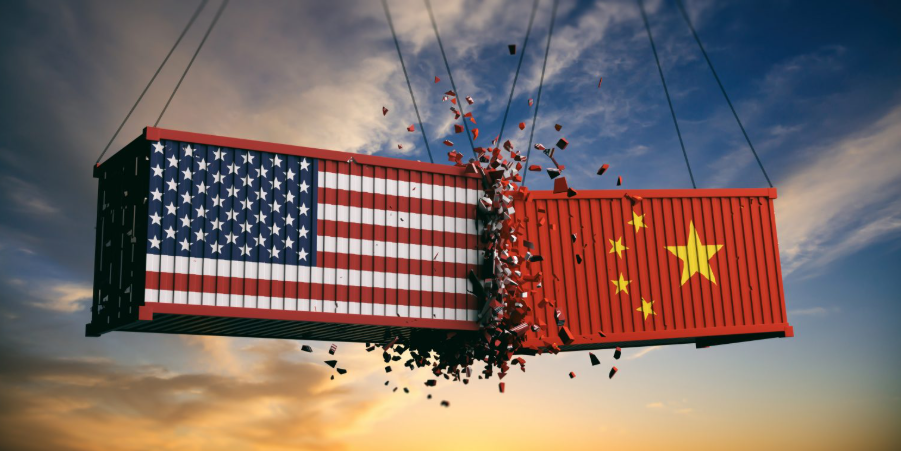
The rivalry between China vs USA is the most consequential geopolitical development of the 21st century, acting as the primary engine of global change. For the United States, this competition determines its status as the world’s leading superpower and the guarantor of international norms. The friction affects global supply chains, international finance, and climate change initiatives, as both nations are the world’s largest economies and carbon emitters. For the average American, this means the ‘China vs USA’ dynamic is not just a matter of foreign policy; it directly influences domestic inflation, the availability of high-tech goods, and the security of digital infrastructure. As the US strengthens alliances through frameworks like the Quad and AUKUS, the world is increasingly viewing international relations through the lens of this bipolar competition, forcing other nations to choose sides or navigate a complex middle ground.
Background
The historical trajectory of China vs USA relations has shifted from tactical engagement to a definitive era of strategic competition. Following the normalization of ties in the 1970s under the Nixon administration, the US encouraged China’s entry into the World Trade Organization (WTO) in 2001, hoping economic liberalization would lead to political openness. However, the last decade has seen a reversal of this optimism. Under US laws like the Trade Act of 1974, specifically Section 301, the United States has increasingly challenged Chinese trade practices, citing intellectual property theft and non-market subsidies. This tension escalated significantly during the late 2010s with the imposition of sweeping tariffs and has continued under subsequent administrations focusing on ‘de-risking’ critical supply chains. Today, the relationship is defined by a delicate balance of deep economic interdependence and profound security concerns, a dynamic that shapes everything from the price of consumer electronics in the US to the security of American naval presence in the Pacific.
Deep Dive: Coverage & In-Depth Analysis
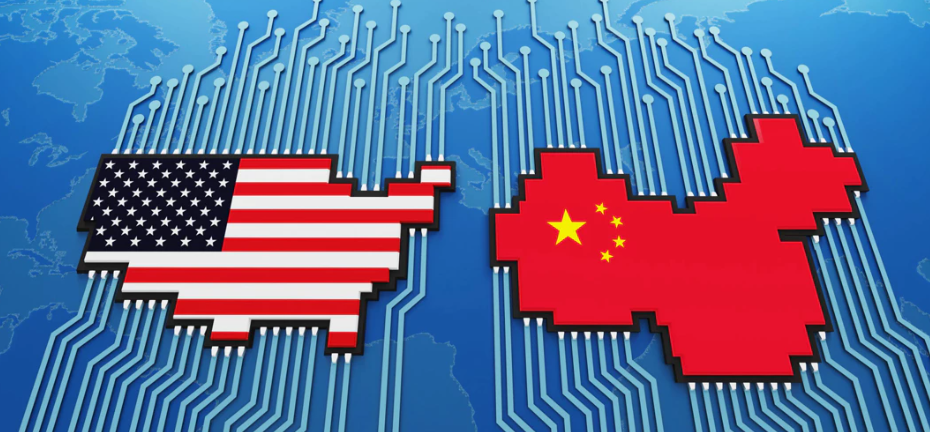
The Economic Battlefield: Tariffs and Manufacturing The latest news in the China vs USA economic sphere centers on the strategy of ‘de-risking’ rather than total ‘decoupling.’ The US government has maintained and, in some cases, expanded tariffs on Chinese imports to protect domestic industries like electric vehicles (EVs) and green energy components. National statistics show that while China remains a top trading partner, the US has successfully diversified its imports, increasing trade volumes with Mexico and Vietnam. However, experts warn that a sudden break in ties would lead to a 5% drop in US GDP, emphasizing why current affairs discussions focus on a gradual shift in manufacturing back to US soil or ‘friend-shoring’ to allied nations. Technology and National Security: The Silicon Shield A critical component of the China vs USA rivalry is the race for technological supremacy. The US has implemented strict export controls on high-end semiconductors and AI technology, aimed at preventing the Chinese military from modernizing with American-designed chips. The CHIPS and Science Act represents a historic US update in industrial policy, investing billions to revitalize domestic chip manufacturing. Furthermore, the national news has been dominated by the debate over TikTok and data privacy, reflecting a broader American concern regarding Chinese-owned tech platforms and their influence on domestic public opinion and national security. Geopolitical Flashpoints and Military Posturing Breaking news often highlights the growing friction in the South China Sea and the Taiwan Strait. The US has reaffirmed its commitment to a ‘Free and Open Indo-Pacific,’ increasing its military presence and conducting joint exercises with partners like Japan and the Philippines. Expert analysis suggests that while neither side desires direct kinetic conflict, the risk of miscalculation remains high. US updates on defense spending now prioritize ‘asymmetric warfare’ capabilities to counter China’s growing naval power, ensuring that American interests in international shipping lanes remain protected. Future Implications: The 2030 Horizon Looking ahead, the China vs USA relationship will likely be the defining feature of the mid-21st century. National updates suggest that the US will continue to push for a multipolar world where democratic values lead global standards. For American workers, this means a likely increase in high-tech manufacturing jobs but also a potential rise in costs for goods that were previously off-shored. The US is also expected to deepen its ‘Indo-Pacific Economic Framework’ to provide an alternative to Chinese infrastructure investments, ensuring that the global economic center of gravity remains aligned with US strategic interests.
Common Questions (FAQ)
What are the main points of tension between China and the USA?
The primary issues include trade imbalances, intellectual property theft, technological competition (especially AI and chips), and territorial disputes in the South China Sea.
How does this competition affect my daily life in the US?
While prices for some Chinese-made electronics and consumer goods may rise due to tariffs, the US is working to build more resilient supply chains that aim to provide long-term economic stability and job growth.
What is the difference between decoupling and de-risking?
‘Decoupling’ refers to a total severance of economic ties, whereas ‘de-risking’ means reducing dependency on China in critical areas like medicine and technology while maintaining trade in other sectors.
Conclusion
In summary, the China vs USA dynamic is no longer a distant foreign policy issue; it is a central pillar of American domestic reality. The competition spans economic, technological, and military spheres, with each development carrying the potential to alter the American way of life. While the ‘New Cold War’ label is often debated, the reality is a complex ‘managed competition’ where both nations remain inextricably linked through trade even as they prepare for potential conflict. As the US moves forward with initiatives like the CHIPS Act and regional alliances like AUKUS, the focus remains on maintaining American leadership in the 21st century. For the average US citizen, staying informed on these updates is crucial as the outcomes of this rivalry will dictate the economic and security landscape for generations to come.