
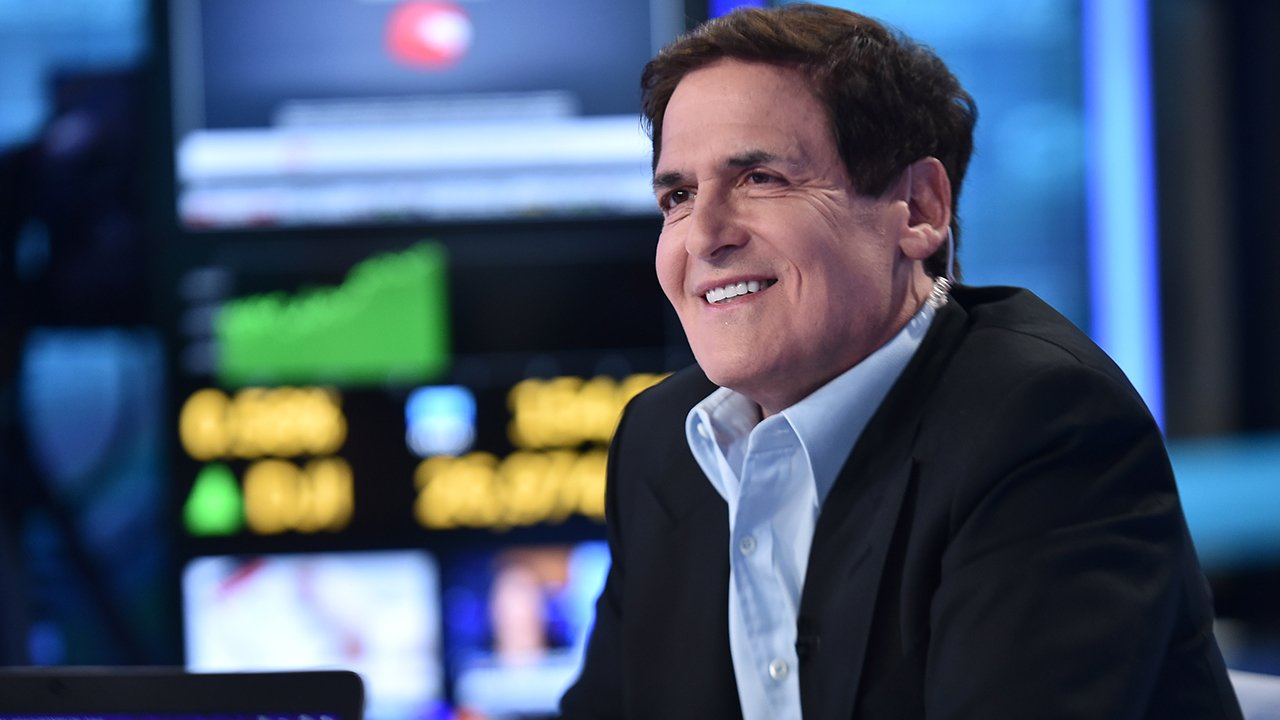
Like the typewriter, the PC, and then the smartphone, AI is poised to radically change the office environment. OpenAI CEO Sam Altman isn’t shy about discussing the future of AI. His predictions carry plenty of weight whether it’s his worry that AI could make things go “horribly wrong,” or that AI agents will completely transform the workplace.
Nor is billionaire Mark Cuban silent on the subject. He, too, sees vast changes to an AI dominated workplace.
Altman: Whole Job Categories at Risk
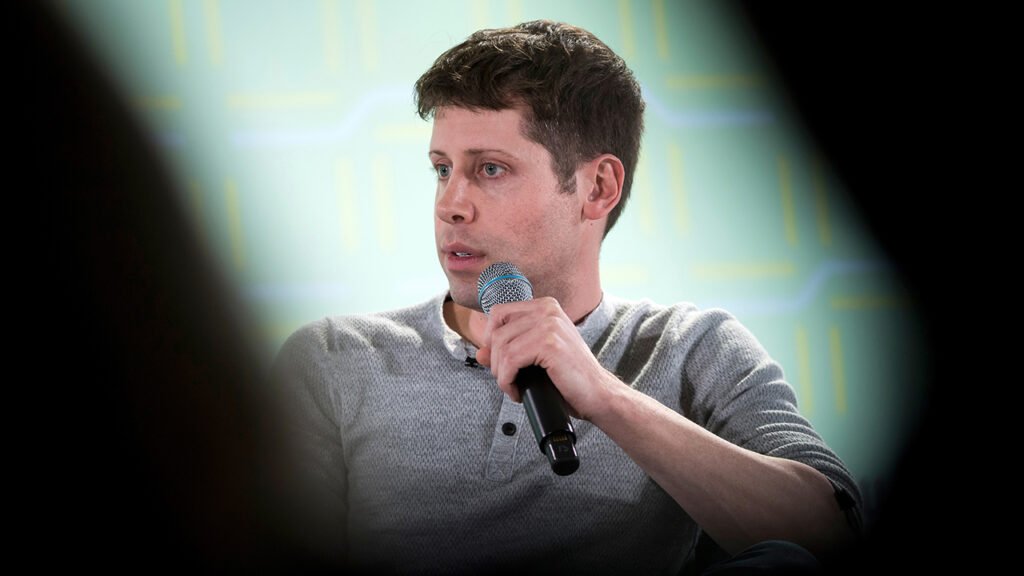
At a recent Federal Reserve conference on large banks and capital requirements, Altman warned that entire job categories will be eaten up by AI. Customer service, he said, is “all but completely ready for an AI takeover right now.”
“When you call customer support, you’re on target and AI, and that’s fine,” Altman said, according to The Guardian. “It’s like a supersmart, capable person. There’s no phone tree, no transfers. It can do everything that any customer support agent at that company could do. It does not make mistakes. It’s very quick. You call once, the thing just happens, it’s done.”
For companies, this is a clear win. For workers, it’s a red flag.
AI in Medicine: Better Than Doctors?
The next industry Altman pointed to is far more complex: health care. He argued that AI can, “most of the time,” surpass human physician skills, suggesting it’s already “a better diagnostician than most doctors in the world.”
But he also admitted a very human hesitation. “Maybe I’m a dinosaur here, but I really do not want to, like, entrust my medical fate to ChatGPT with no human doctor in the loop.”
Medical experts echo this caution. While AI may help with medical notes, many warn it is too prone to misinformation to be trusted for diagnoses or mental health advice.
Security Threats: AI as a Weapon
Altman also raised alarms about AI in the hands of bad actors. He pointed to AI voice clones as a direct risk to the U.S. financial system, warning that “near future AIs could be used by bad actors, perhaps based overseas, to attack.”
The message: AI isn’t just coming for jobs it could destabilise entire industries.
Cuban: AI Is the New Excel
Mark Cuban takes a different, though equally urgent, view. He believes AI will soon be a baseline skill, just like email or Excel.
“In five years, if you’re not using AI to move faster or make smarter decisions, you’re behind,” Cuban said in an interview with Fortune.
He predicted AI assistants could transform “solo founders into full teams.” In his words, “we’ll see more people working for themselves” because of AI’s force multiplying power.
But the flipside is clear: jobs like personal assistants, coders, or marketing advisers could vanish if AI handles those tasks instead.
The Takeaway
Altman’s warnings may sound grim. Cuban’s predictions sound empowering. But both point in the same direction: entire categories of jobs will vanish, and AI fluency will be the ticket to survival.
For workers and companies alike, the advice is simple:
- Start experimenting with what you can outsource to AI.
- Educate yourself on the promises and risks.
- Upskill or reskill now, before the changes hit.
AI is not coming someday it’s already here.