
The agricultural landscape of Texas is facing a critical inflection point. As the federal government aggressively exercises its executive authority to restructure immigration enforcement, rescind temporary legal protections, and intensify workplace scrutiny, the domestic supply of agricultural labor is contracting at an unprecedented rate.
For the Lone Star State—a powerhouse producing billions of dollars in livestock, cotton, fruits, and vegetables annually—these regulatory shifts hit the frontline directly. But how does the new US immigration policy affect texas farm workers, and what are the cascading macroeconomic consequences for Texas agribusinesses?
1. The Composition of the Texas Farm Workforce
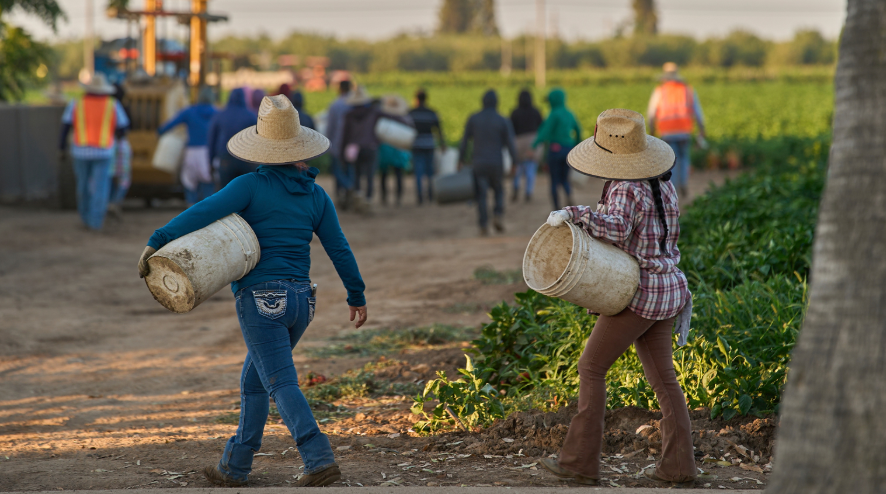
To understand the ramifications of current policy shifts, one must understand the vulnerability of the labor supply. Data indicates that out of the roughly 2.5 million agricultural workers filling year-round equivalent positions in the United States, nearly half lack valid work authorization. In Texas, a state sharing a 1,254-mile border with Mexico, the reliance on an undocumented workforce is disproportionately higher than the national average.
Recent policy updates from the Department of Homeland Security have disrupted the fragile stability of this labor pipeline. The aggressive ramp-up in targeted interior enforcement and workplace audits has triggered a sharp contraction in available field laborers. Undocumented workers are systematically withdrawing from the labor market or shifting to localized underground networks due to the heightened risk of deportation, leaving millions of dollars of perishable crops to rot in fields across the Rio Grande Valley and the High Plains.
2. The Strain on the H-2A Visa Guest Worker Program
As undocumented labor becomes increasingly scarce, Texas agricultural producers have been forced to rely heavily on the H-2A Temporary Agricultural Workers program. Nationally, the H-2A program has ballooned to roughly 400,000 certified positions to fill critical voids.
However, recent structural updates to the program have created substantial administrative and financial bottlenecks for Texas farmers:
- Consular Vetting and Licensing Barriers: Under a newly enacted Federal Motor Carrier Safety Administration (FMCSA) rule, strict constraints have been placed on non-domiciled commercial driver’s licenses (CDLs). H-2A workers face intensive consular vetting and interagency screening before they can operate commercial agricultural machinery. This has caused severe logistics delays during tight harvest windows.
- The Adverse Effect Wage Rate (AEWR) Volatility: The Department of Labor’s evolving methodology for calculating the AEWR—the mandatory minimum wage structure meant to protect domestic workers from wage depression—remains a highly contested variable. While recent procedural modifications were designed to mitigate steep operational costs for specific nonfarm titles (like on-farm truck drivers), the base operational overhead for utilizing H-2A labor in Texas continues to outpace small-to-medium farm revenues.
3. Increased Labor Mobility and the Erosion of Employee Retention
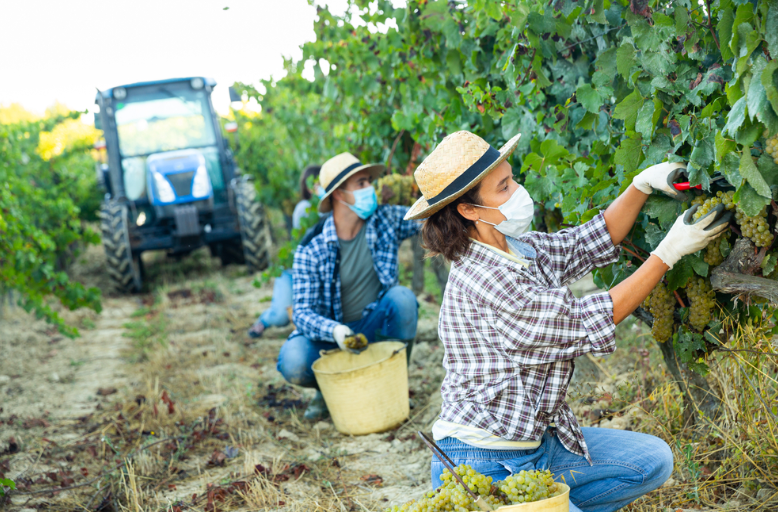
Historically, tools like the Deferred Action for Labor Enforcement (DALE) provided a temporary safe harbor, granting noncitizen workers work authorization while cooperating with labor investigations. This severed the legal “tether” that bound guest workers to a single, sometimes exploitative, employer.
Under the current policy paradigm, this dynamic is shifting rapidly. When agricultural workers secure legal baseline status or alternative work authorizations, their labor market mobility increases. Legalized or protected farmworkers frequently exercise this mobility by leaving demanding, seasonal crop-harvesting positions for higher-paying, year-round urban jobs in construction, hospitality, or logistics. Consequently, even when policies offer an avenue toward stabilization, they inadvertently cause an attrition of the immediate agricultural labor supply, driving a severe Texas agricultural labor shortage.
4. Accelerated Mechanization and the Import Dilemma
Faced with unpredictable immigration enforcement and rising labor expenses, Texas agribusinesses are accelerating structural shifts in production, often categorized under the Mechanization, Migration, and Import (MMI) framework:
[Immigration Restrictions] ──> [Labor Shortages & Rising Costs]
                                      │
           ┌──────────────────────────┼──────────────────────────┐
           ▼                          ▼                          ▼
  [Faster Mechanization]      [H-2A Visa Reliance]      [Increased Food Imports]
- Technological Capital Investment: Large-scale operations are aggressively investing in labor-saving machinery, automation, and automated sorting technologies to reduce human dependencies.
- Market Shifting to Fresh Imports: For delicate specialty crops that cannot be harvested mechanically (such as specific citrus varieties and berries grown in South Texas), operations are becoming economically non-viable. Texas distributors are increasingly sourcing fresh produce from lower-wage international markets like Mexico, weakening domestic food security.
The Bottom Line
The answer to how the new US immigration policy affects Texas farm workers is multi-faceted: it heightens deportation risks for undocumented individuals, creates steep bureaucratic and financial friction for legal guest workers under the H-2A program, and sparks a desperate labor deficit for agricultural producers. Without comprehensive, bipartisan legislative reforms that balance border security with a stable, legal pipeline for year-round agricultural labor, the Texas agricultural economy will continue to contract—ultimately manifesting as higher grocery prices for consumers nationwide.
Frequently Asked Questions (FAQs)
What is the primary reason for the current Texas agricultural labor shortage?
The shortage is primarily driven by a dual contraction in the labor market. Strict interior immigration enforcement and increased workplace auditing have significantly reduced the available undocumented workforce. Simultaneously, administrative delays, stringent vetting procedures, and rising operational costs associated with the H-2A guest worker visa program prevent farmers from quickly replacing those losses with legal temporary labor.
How do H-2A visa regulations impact the operating costs of Texas farms?
H-2A regulations heavily impact costs through the Adverse Effect Wage Rate (AEWR), which sets a mandatory minimum wage for guest workers to prevent domestic wage depression. Additionally, compliance costs—such as providing mandatory housing, round-trip international transportation, and navigating complex licensing requirements for equipment operators—create steep financial overhead that cuts directly into the profit margins of small-to-medium operations.
Are Texas farmworkers protected if they report labor violations under current policies?
While mechanisms like the Deferred Action for Labor Enforcement (DALE) were designed to offer temporary protection and work authorization to noncitizen workers who witness or experience workplace violations, current shifts in immigration policy prioritize broader enforcement. This has created widespread apprehension among workers, making them far less likely to report exploitative conditions due to a heightened fear of detention or deportation.
Why can’t Texas farmers easily replace human labor with automated machinery?
While mechanization is accelerating for large-scale operations and specific commodity crops (like cotton and grains), it is not a universal solution. Delicate specialty crops, including certain citrus fruits, berries, and vegetables grown heavily in the Rio Grande Valley, require manual harvesting to avoid damaging the produce. The immense capital investment required for advanced robotics also makes automation economically unviable for smaller family-owned farms.
How does the domestic agricultural labor crisis affect US consumers?
As localized labor deficits force Texas agribusinesses to leave crops unharvested or transition to more expensive guest worker programs, the supply of domestic produce decreases while production costs rise. To maintain profit margins, these costs are passed down the supply chain, ultimately manifesting as higher retail grocery prices for fresh produce and a heavier reliance on international food imports.